When Lightning Strikes Twice, Check Your Paperwork
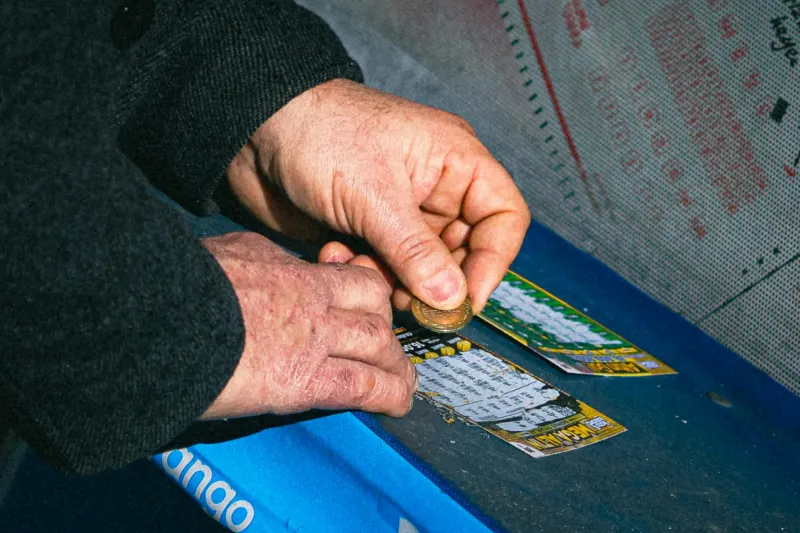
Imagine walking into a convenience store for a lottery ticket and walking out a millionaire. Now imagine doing it twice in the same week because of a clerk's fat fingers. That's exactly what happened to Robert Martinez of Newark, New Jersey, in March 1985, setting off a legal circus that would make even the most seasoned gambling lawyers reach for the aspirin.
 Photo: Newark, New Jersey, via static.vecteezy.com
 Photo: Robert Martinez, via images.gc.eflservices.co.uk
Martinez had been playing the same numbers for three years straight: 7-14-21-28-35-42. Nothing particularly mystical about them—his birthday, his anniversary, and a few numbers that "felt lucky." On March 12th, he walked into Paulie's Corner Store like he did every Tuesday, handed over his dollar, and watched clerk Jenny Kowalski punch in his usual numbers.
The Mistake That Changed Everything
What happened next was pure human error amplified by 1980s technology. Kowalski accidentally hit the print button twice. The ancient lottery terminal, already held together with electrical tape and prayer, dutifully spat out two identical tickets with the same numbers, same drawing date, everything.
"I figured, what the hell, I'll take both," Martinez later told reporters. "Two chances to lose instead of one."
Except he didn't lose. On March 18th, those exact numbers came up in the New Jersey Pick-6 drawing. The jackpot? $2.4 million. And Martinez held two winning tickets.
The Legal Nightmare Nobody Saw Coming
Here's where things got weird. The New Jersey Lottery Commission had never dealt with duplicate winning tickets before. Their regulations, written when computers were room-sized monsters, simply stated that "each valid ticket" was entitled to its share of the jackpot. But what made a ticket valid? And could one person really win twice with identical tickets?
The lottery's legal team scrambled. Some argued that duplicate tickets were a printing error and only one should count. Others pointed out that Martinez had paid for both tickets, making them both legitimate. The commission initially froze all payments while lawyers argued over precedent that didn't exist.
Meanwhile, Martinez found himself at the center of a media frenzy. "I just wanted my money," he said during one particularly chaotic press conference. "I bought two tickets, they both won, seems pretty simple to me."
The Courtroom Circus
The case, Martinez v. New Jersey Lottery Commission, became a legal oddity that law schools still study today. The central question wasn't just about money—it was about the fundamental nature of lottery tickets themselves. Were they contracts? Receipts? Gambling instruments?
Judge Patricia Hendricks presided over three months of arguments that grew increasingly absurd. Expert witnesses testified about printing technology, probability theory, and contract law. The lottery commission brought in a mathematician who calculated that the odds of this exact scenario happening were roughly 1 in 847 million.
"Your Honor," Martinez's lawyer argued, "my client didn't create this situation. He simply bought what was offered to him. If the lottery can't handle its own mistakes, that's not Mr. Martinez's problem."
The Ruling That Rewrote the Rules
On June 14th, 1985, Judge Hendricks delivered a decision that shocked everyone involved. She ruled that both tickets were valid under existing law, but—and here's the kicker—Martinez could only collect once. Her reasoning? The tickets represented the same "gambling event" and paying twice would constitute "unjust enrichment."
But she didn't stop there. Hendricks ordered the lottery commission to pay Martinez the full jackpot amount plus court costs, and mandated that New Jersey immediately update its regulations to prevent similar confusion in the future.
"The law must be clear enough that ordinary citizens can understand their rights," she wrote in her 47-page decision. "Mr. Martinez should not be punished for the lottery's administrative failures."
The Domino Effect Across America
Word of the Martinez case spread through state lottery offices like wildfire. Within six months, 23 states had quietly updated their regulations to address duplicate ticket scenarios. Most adopted language stating that identical tickets from the same drawing would be treated as a single entry, regardless of payment.
The case also sparked broader questions about lottery fairness. Investigative reporters discovered that wealthy players sometimes bought hundreds of tickets with slight number variations, essentially gaming the system. The Martinez precedent forced states to clarify whether this constituted multiple entries or a single large bet.
The Man Behind the Madness
So what happened to Martinez? He used his $2.4 million to buy a small restaurant in Newark and never played the lottery again. "Once you've won twice in one week," he told a reporter years later, "everything else feels like a letdown."
The convenience store clerk, Jenny Kowalski, became something of a local legend. Paulie's Corner Store put up a sign reading "Home of the Double Winner" and saw lottery ticket sales triple. Kowalski eventually parlayed her fame into a job with the lottery commission, where she helped train clerks on the new duplicate-ticket protocols.
The Legacy of Lightning Striking Twice
Today, lottery terminals are programmed to prevent duplicate tickets automatically. But the Martinez case remains a fascinating footnote in gambling law, a reminder that sometimes the most mundane mistakes can expose the most fundamental flaws in our systems.
The case file, stored in the New Jersey State Archives, includes one particularly telling detail: Martinez's original lottery tickets, both of them, mounted in a frame with a note from Judge Hendricks that reads, "Evidence that truth is stranger than fiction."
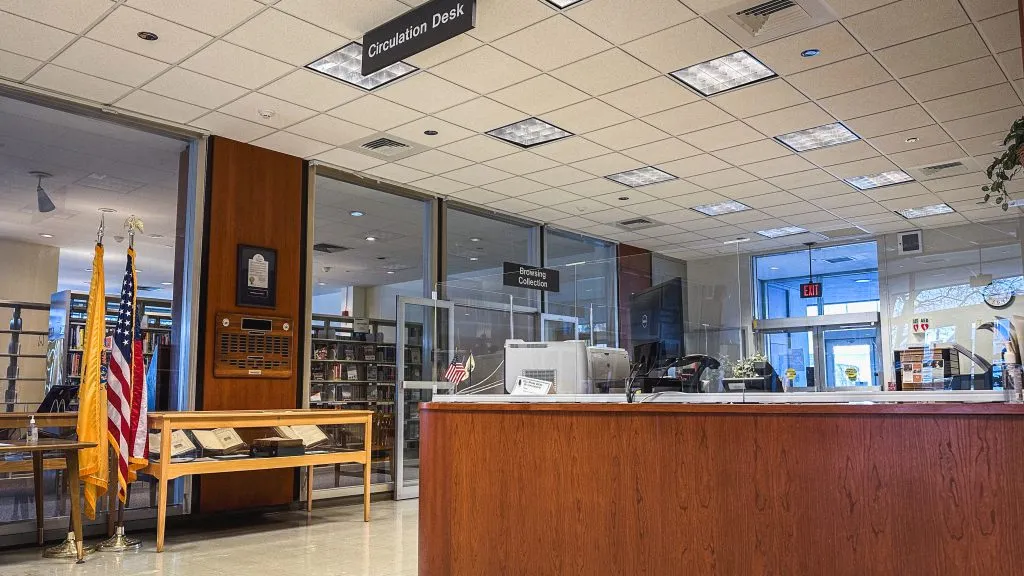 Photo: New Jersey State Archives, via www.njstatelib.org
She wasn't wrong. In a world where million-to-one odds are just Tuesday's drawing, sometimes the real story isn't about luck at all—it's about what happens when human error collides with legal reality and creates something nobody saw coming.