The Night Shift That Saved Civilization: One Soviet Officer's Gut Call Prevented Nuclear Apocalypse
The Most Important Tuesday Night in Human History
September 26, 1983, was shaping up to be another boring overnight shift for Lieutenant Colonel Stanislav Petrov. He was sitting alone in a bunker outside Moscow, monitoring the Soviet Union's early warning system—the kind of job where nothing ever happens until suddenly everything happens at once.
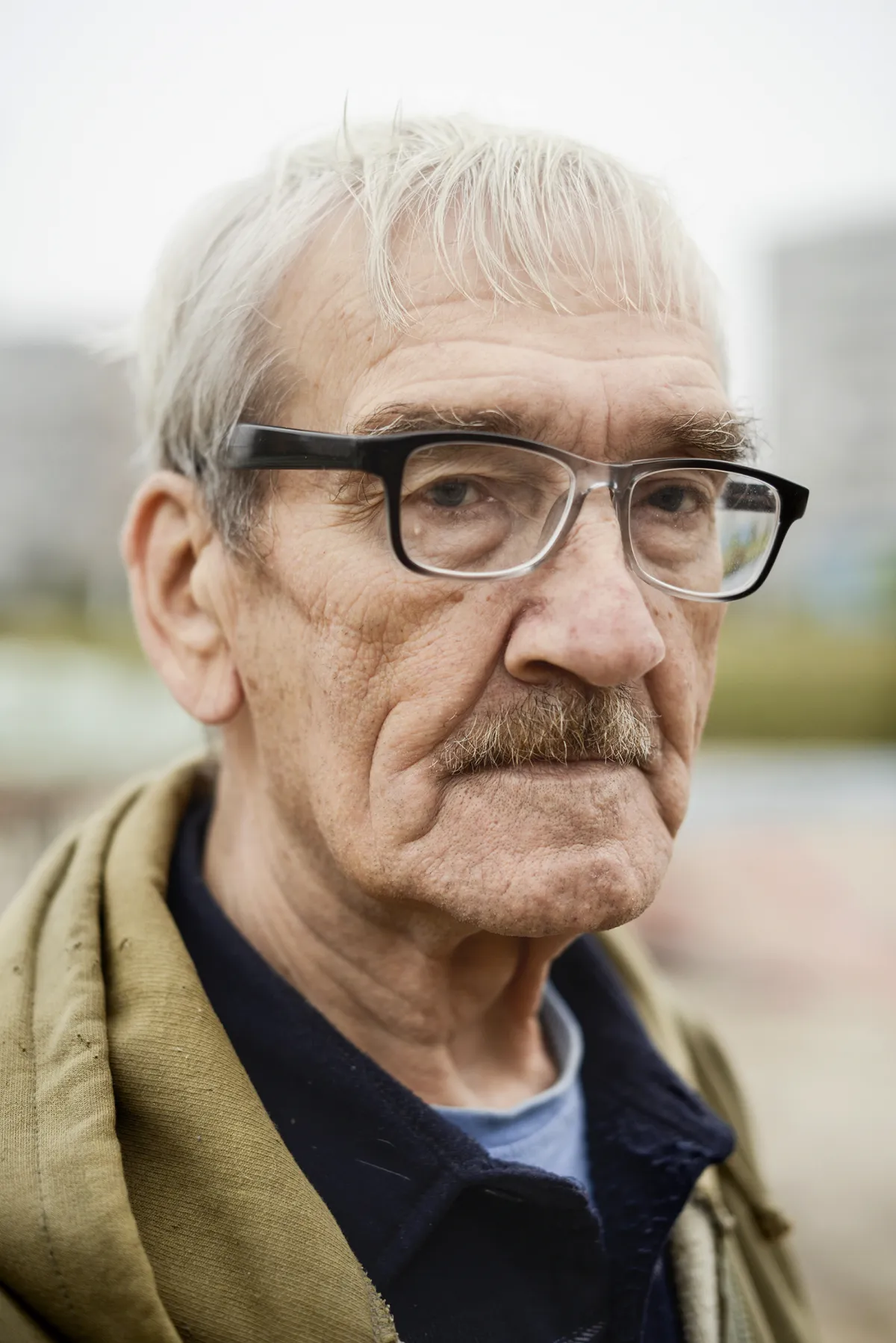 Photo: Stanislav Petrov, via api.time.com
At 12:15 AM, the computers started screaming.
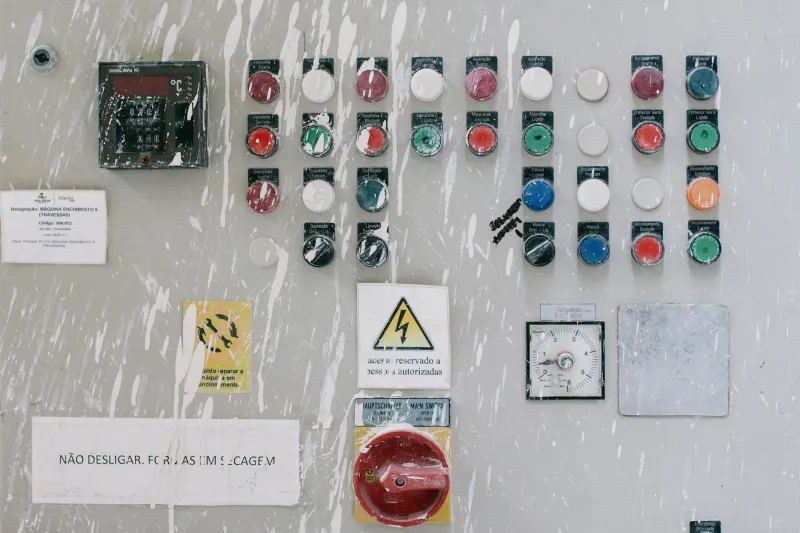
The Oko satellite system, the USSR's most advanced nuclear detection network, was flashing red alerts across every screen. According to the system, five American intercontinental ballistic missiles had just launched from a base in Montana and were heading straight for Soviet targets.
Petrov had about four minutes to decide whether to recommend launching a full-scale nuclear retaliation that would have ended civilization as we know it.
When the Machines Demanded War
The protocol was crystal clear: if the early warning system detected incoming American missiles, Petrov was supposed to immediately report the attack to his superiors, who would then launch hundreds of Soviet nuclear weapons before the American missiles could hit their targets.
This wasn't a drill. This wasn't a maybe. The computers were absolutely certain: World War III had just started, and the Soviet Union had minutes to respond or be destroyed.
Petrov stared at the screens showing five incoming missiles and had what might be the most important gut feeling in human history: something felt wrong.
The Logic That Saved the World
Why would the Americans launch only five missiles? If the United States was really starting a nuclear war, wouldn't they launch hundreds or thousands of missiles to ensure the Soviet Union couldn't retaliate?
Five missiles seemed like either a limited strike (which made no strategic sense) or a malfunction. And Petrov knew the Oko system was relatively new and had experienced glitches before.
But here's the thing: Petrov wasn't a computer technician or a nuclear strategist. He was a 44-year-old lieutenant colonel who had been trained to trust the machines and follow orders. The entire Soviet military doctrine was built on the assumption that computers don't lie and humans make mistakes under pressure.
Every piece of training, every protocol, every instinct drilled into him by the Soviet military was screaming at him to pick up the phone and report an incoming American attack.
Instead, he sat there and did nothing.
The Longest 23 Minutes in History
For 23 agonizing minutes, Petrov watched the screens and waited to see if Moscow would disappear in a nuclear fireball. If he was wrong—if the missiles were real—he would be responsible for the destruction of the Soviet Union.
If he was right, he was single-handedly preventing the end of human civilization.
No pressure.
As the minutes ticked by without any explosions, it became clear that Petrov had made the right call. The satellite system had malfunctioned, probably confused by sunlight reflecting off clouds in a way that looked like missile launches to the computer.
But Petrov didn't know that during those 23 minutes. He was just a guy on the night shift, making the biggest decision in human history based on a hunch.
The Hero Nobody Thanked
You might think Petrov was celebrated as the man who saved the world. You'd be wrong.
The Soviet military was embarrassed by the malfunction and quietly reprimanded Petrov for not following protocol. His superiors told him that if he had been wrong, he would have been executed for treason. Since he was right, he was just in trouble for insubordination.
Petrov was transferred to a less sensitive position and eventually retired to a small apartment outside Moscow. For decades, almost nobody knew his name or what he had done.
The Secret That Almost Stayed Secret
The incident was classified by the Soviet government and might have remained secret forever. It only came to light in the 1990s when Russian officials started talking more openly about Cold War close calls.
When Western journalists finally tracked down Petrov in 1998, they found a quiet, modest man living on a tiny pension in a cramped apartment. He seemed genuinely surprised that anyone cared about what he considered "just doing my job."
"I was just in the right place at the right time," Petrov told reporters. "I was no hero. I was just doing what I thought was right."
The Weight of the World on One Man's Shoulders
Think about this for a moment: the entire fate of human civilization came down to one underpaid Soviet officer working the graveyard shift in a bunker.
Not a president or a general or a committee of experts. Not a careful analysis or a diplomatic negotiation. Just one guy who looked at some computer screens at 12:15 AM and thought, "This doesn't feel right."
If Petrov had been more of a rule-follower, if he had trusted the computers over his instincts, if he had been having a bad day or was distracted by personal problems—the world as we know it would have ended on September 26, 1983.
The Man Who Saved Everyone
Petrov died in 2017 at age 77, still living in that small apartment outside Moscow. By then, he had finally received some recognition for his actions, including awards from the United Nations and various peace organizations.
But for most of his life, the man who prevented nuclear war was just another retired Soviet officer, unknown and unsung.
It's probably the most important decision anyone has ever made, and it happened during a boring Tuesday night shift by a guy who was just trying to use his common sense.
Sometimes saving the world is that simple—and that terrifying.