From Beaver Pelts to Buzzing Bills: The Wild History of Paying Uncle Sam With Whatever You Had
When Your Tax Bill Came With a Buzz
Picture this: you walk into the local tax collector's office carrying a wooden box that's humming ominously, set it down on his desk, and announce you're here to settle your annual property assessment. The box contains 40,000 live bees, and by law, the government has to accept them as legal tender.
This actually happened in colonial Massachusetts, and it wasn't even the weirdest way Americans have paid their taxes. Long before the IRS standardized the soul-crushing experience of April 15th, paying your civic obligations was a creative exercise that turned local courthouses into impromptu farmers markets, distilleries, and occasionally, accidental zoos.
The Economics of "Whatever You've Got"
In early America, actual money was scarce and unreliable. Spanish coins, British currency, and colonial scrip all circulated simultaneously, but most people lived in a barter economy where wealth was measured in tangible goods rather than abstract dollars. When tax time came around, local governments faced a choice: accept payment in whatever form people could provide, or collect nothing at all.
So they got creative. Colonial and frontier-era tax codes routinely included provisions for payment "in kind" — meaning taxpayers could settle their obligations with goods and services rather than currency. These weren't emergency measures during economic crises; they were standard operating procedures that remained legal well into the 19th century.
The Massachusetts bee incident occurred in 1748, when farmer Ezra Whitman couldn't scrape together the £3 he owed in property taxes. But he did have several thriving beehives, and colonial law allowed taxes to be paid in "livestock and agricultural products of equivalent value." The tax assessor had to accept Whitman's buzzing payment, though historical records suggest he wasn't thrilled about suddenly becoming a beekeeper.
The Whiskey Standard
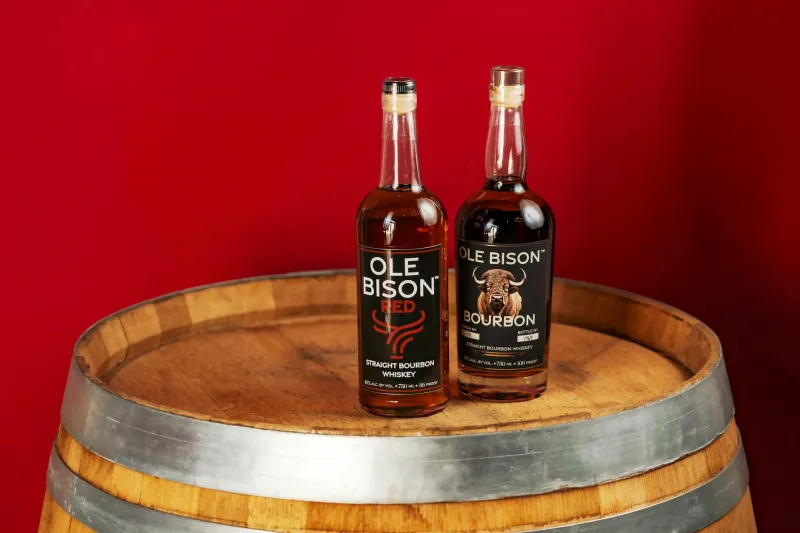
If bees were unusual, whiskey was practically a parallel currency. Throughout the frontier period, distilled spirits served as a standard unit of exchange for everything from land purchases to legal fees. Whiskey was valuable, portable, and — unlike paper money — couldn't be counterfeited or made worthless by political upheaval.
Tax collectors in western Pennsylvania and Kentucky regularly accepted whiskey payments, leading to the surreal situation where government offices maintained their own liquor inventories. Court records from the 1790s show tax assessments calculated in "gallons of good whiskey" alongside traditional monetary amounts.
This system worked so well that it created its own problems. The famous Whiskey Rebellion of 1794 wasn't just about tax rates — it was also about the federal government's attempt to force western farmers to pay in actual currency rather than the whiskey they'd been using as money for decades.
Livestock, Corn, and Creative Accounting
Beyond bees and booze, American tax records reveal a menagerie of unconventional payments that would make modern accountants weep. Colonial Virginia accepted tobacco payments so routinely that tax rates were often quoted in pounds of leaf rather than pounds sterling. New England towns regularly took payment in corn, with elaborate conversion tables determining how many bushels equaled a dollar of tax obligation.
Livestock payments were especially common and especially complicated. A 1782 tax record from frontier Ohio shows one farmer paying his annual assessment with "two hogs of good weight, one milk cow past breeding age, and six chickens suitable for eating." The tax collector had to arrange for the animals' care, find buyers, and convert the proceeds into the hard currency the state government actually wanted.
Some of these transactions got wonderfully specific. Pennsylvania court records from 1799 document a dispute over whether a taxpayer's offered pig was "of sufficient quality" to meet his legal obligation. The case went to trial, where a jury of farmers had to determine the pig's fair market value and whether it met the standards for tax payment established by colonial precedent.
The Federal Government Gets Involved
As America grew and centralized, the federal government tried to bring order to this chaotic system. But even early federal tax laws included provisions for in-kind payments, partly because lawmakers recognized that demanding hard currency would make taxes impossible to collect in many rural areas.
The 1791 federal excise tax on whiskey — the one that sparked the Whiskey Rebellion — actually allowed distillers to pay their obligations in whiskey rather than cash. This created the bizarre situation where the federal government was simultaneously taxing alcohol production and accumulating vast stockpiles of the stuff as tax payments.
By the early 1800s, federal warehouses in frontier areas were storing everything from beaver pelts (accepted for land taxes) to barrels of salt pork (military contractors paying supply obligations). The government had accidentally become one of the largest commodity traders in North America.
When Courts Had to Get Creative
The legal system had to adapt to this parade of unconventional payments, leading to some of the strangest court cases in American judicial history. Judges routinely had to determine the fair market value of everything from handwoven cloth to trained hunting dogs when taxpayers disputed assessments.
One famous 1803 case in Kentucky involved a farmer who tried to pay his property taxes with a collection of "useful household items" including furniture, tools, and kitchen implements. The tax collector rejected the payment, arguing that the law required "agricultural products or livestock." The case went to the state supreme court, which ruled that anything with clear economic value could constitute tax payment as long as the collector could reasonably convert it to cash.
The End of an Era
The system of creative tax payments gradually disappeared as America's monetary system stabilized and the economy became less agricultural. The Civil War marked the real turning point — the federal government's desperate need for standardized revenue to fund the war effort led to the creation of the first modern income tax and the beginning of the end for paying Uncle Sam with whatever happened to be lying around the farm.
By the 1870s, most states had phased out in-kind tax payments, though some rural counties continued accepting them informally well into the 20th century. The last documented case of a major tax payment in goods rather than currency occurred in Montana in 1943, when a rancher settled a substantial property tax bill with a herd of cattle during wartime currency shortages.
Legacy of the Barter Tax
Today, the IRS accepts only legal tender, and trying to pay your taxes with livestock would result in penalties, interest, and possibly a very confused audit. But the era of creative tax payments left its mark on American legal precedent and cultural memory.
The phrase "the tax collector cometh" originally referred to officials who literally came to your property to collect whatever you could spare — and who might leave with anything from a wagon full of corn to a box of angry bees. It was a system that reflected the practical realities of early American life, where wealth was tangible, money was scarce, and sometimes the government just had to take what it could get.
Next time you're grumbling about filing your 1040, remember: at least you don't have to worry about whether the IRS will accept your payment in poultry.