The Toothache That Hooked America: How a Dental Experiment Created the Cocaine Craze

When Dental Pain Met Medical History
In 1884, a Viennese dentist named Carl Koller had a problem. Like every dentist of his era, he was tired of patients screaming during procedures. Anesthesia existed, but it was clunky—ether and chloroform required elaborate equipment and carried serious risks for simple tooth extractions. Koller needed something better: a local painkiller that could numb just the mouth.
What happened next would accidentally create one of America's first major drug epidemics and give the father of psychoanalysis his most regrettable career moment.
The Colleague Who Got Too Enthusiastic
Koller had been experimenting with a promising new compound called cocaine, derived from South American coca leaves. He'd heard it might work as a local anesthetic, so he did what any reasonable researcher would do: he gave a sample to a brilliant young colleague to study its effects.
That colleague was Sigmund Freud.
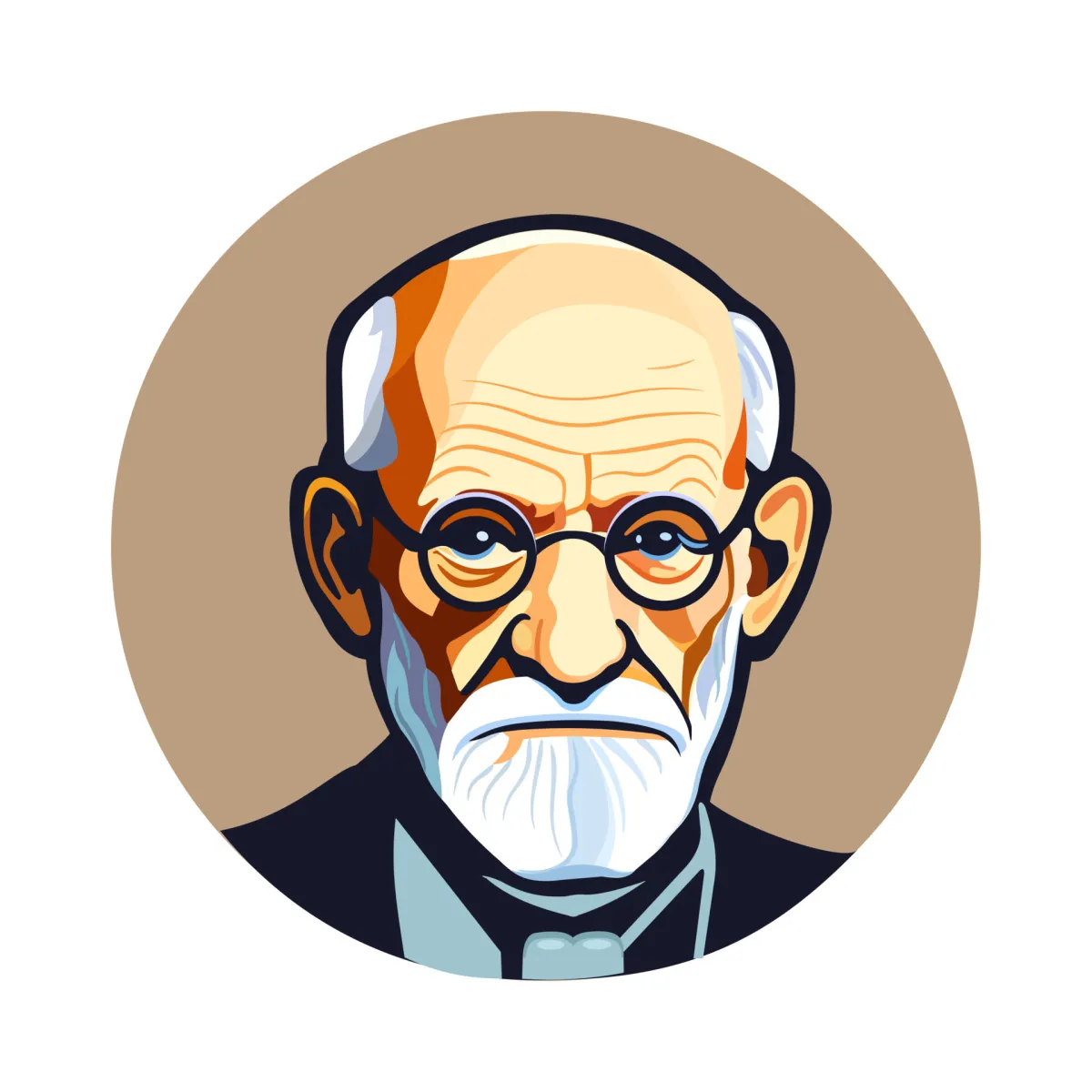 Photo: Sigmund Freud, via static.vecteezy.com
Freud didn't just study cocaine—he fell head-over-heels in love with it. Within months, he was writing papers with titles like "Über Coca" (On Coca), breathlessly describing cocaine as a miracle cure for everything from depression to morphine addiction. He called it a "magical drug" and recommended it for fatigue, digestive problems, and even as a general pick-me-up.
Freud wasn't just prescribing it to patients. He was taking it himself, giving it to his fiancée Martha, and mailing samples to friends across Europe with glowing recommendations.
The Miracle Cure That Wasn't
For a brief, shining moment, cocaine looked like medical magic. Freud's early papers described remarkable results: depressed patients suddenly energetic, morphine addicts apparently cured, surgical patients awake but pain-free during operations.
American doctors read Freud's work and jumped on the bandwagon. By 1885, cocaine was being marketed in the United States as everything from a cure for hay fever to a treatment for alcoholism. The Parke-Davis pharmaceutical company was selling cocaine in multiple forms: powder, tablets, injections, and even a coca-leaf cigarette "for asthma."
Coca-Cola, launched in 1886, originally contained actual cocaine—hence the "Coca" in the name.
When Reality Hit
The honeymoon didn't last long. By 1887, reports were trickling in of patients becoming violently addicted to their "medicine." People were developing what doctors called "cocaine bugs"—the hallucination that insects were crawling under their skin. Others became paranoid, aggressive, or suffered heart attacks.
Freud watched in horror as his miracle drug revealed its true nature. One of his closest friends, Ernst von Fleischl-Marxow, whom Freud had treated with cocaine for morphine addiction, became so severely addicted that he was injecting massive doses and suffering terrifying hallucinations.
The Father of Psychoanalysis's Biggest Mistake
Freud quietly backed away from cocaine research, but the damage was done. His enthusiastic early endorsements had helped launch what became America's first major drug crisis. He later called his cocaine phase "a side interest" and rarely spoke about it publicly.
Meanwhile, Carl Koller—the dentist who started it all—had actually achieved his original goal. His experiments proved that cocaine could indeed work as a local anesthetic for eye surgery. But by then, the drug's recreational potential had overshadowed its medical applications.
How Dental Research Rewrote American Law
The cocaine crisis that Freud accidentally helped create became the catalyst for America's first major drug control laws. The Harrison Narcotics Tax Act of 1914—the foundation of modern drug policy—was passed largely in response to widespread cocaine addiction.
What started as a simple search for better dental pain relief had accidentally reshaped American medicine, psychiatry, and criminal law.
The Irony of Modern Anesthesia
Here's the truly weird part: Koller's original idea was brilliant. Today, dentists routinely use local anesthetics that work on the same principles he discovered—they just use safer compounds like lidocaine and novocaine instead of cocaine.
Every time you get a filling without feeling pain, you're benefiting from research that accidentally created one of history's most problematic drugs. And every time someone gets arrested for cocaine possession, they're experiencing the legal aftermath of a Viennese dentist's search for better toothache relief.
Sometimes the most innocent scientific curiosity can accidentally change the world in ways nobody saw coming.