The Invention Australia Didn't Want: How the Creator of the Black Box Couldn't Sell It to His Own Country
The Crash That Sparked Everything
On October 26, 1953, a de Havilland Comet — the world's first commercial jetliner — broke apart mid-flight and plummeted into the Mediterranean Sea near Italy. All 35 people aboard died instantly, and investigators had no idea why.
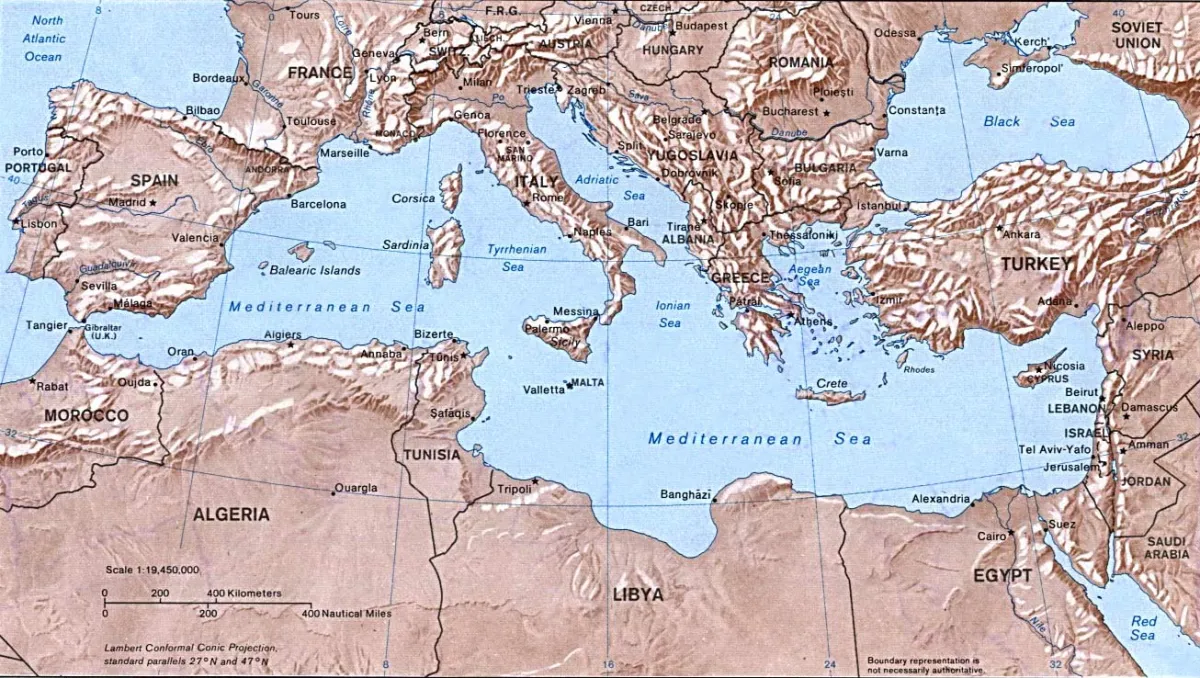 Photo: Mediterranean Sea, via 3.bp.blogspot.com
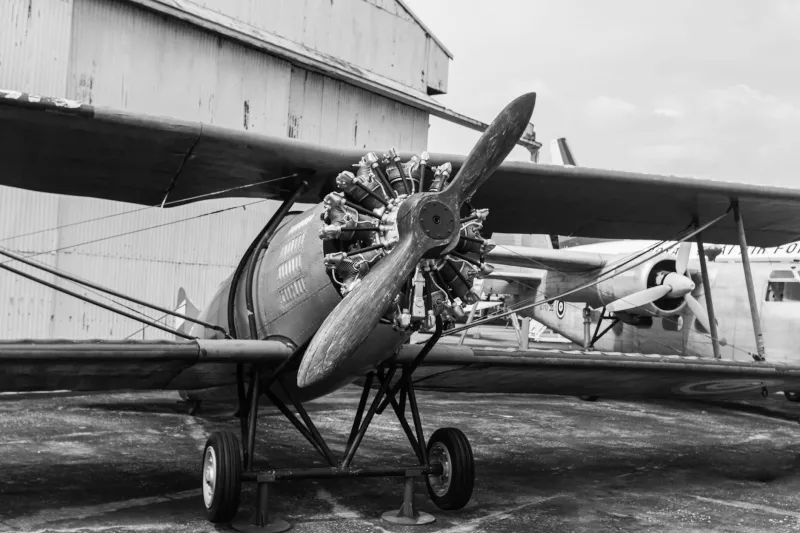
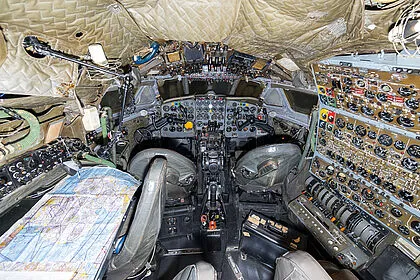 Photo: de Havilland Comet, via t.plnspttrs.net
Halfway around the world in Melbourne, Australia, a young scientist named David Warren read about the tragedy and had a thought that would eventually save thousands of lives: what if planes carried a device that recorded everything happening in the cockpit before a crash?
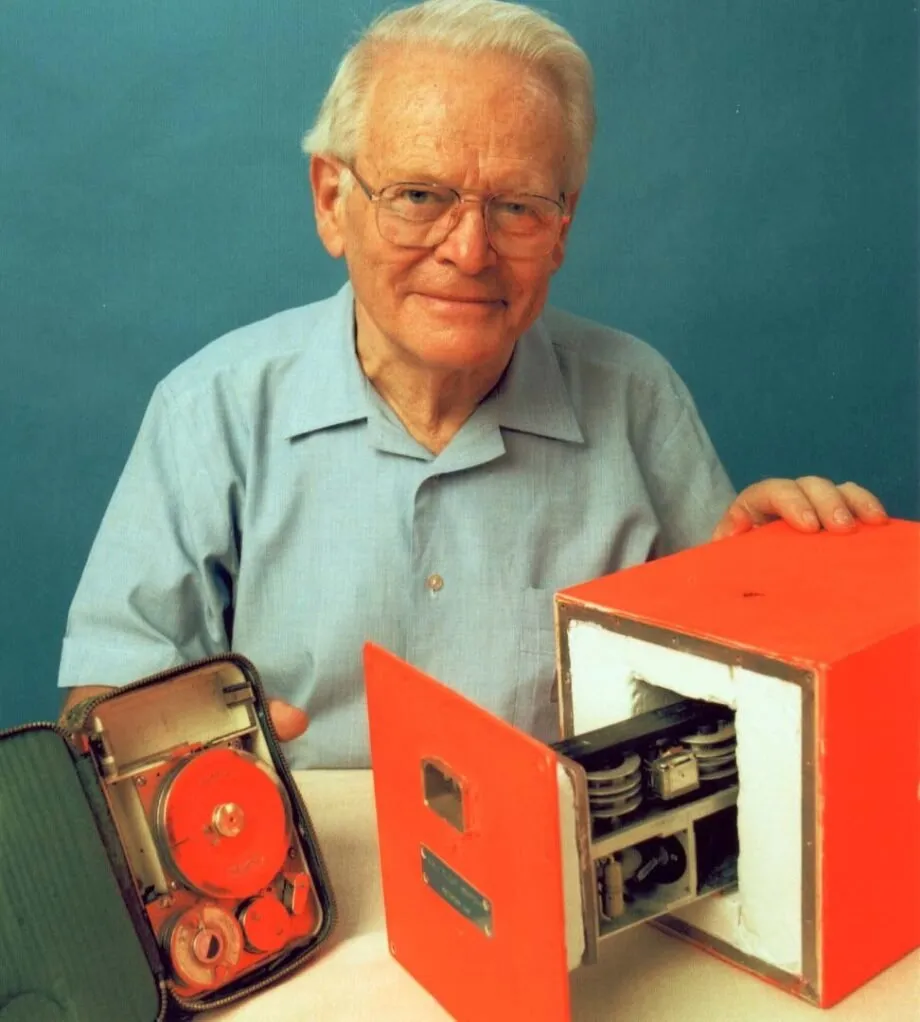 Photo: David Warren, via nexus-mag.com
The idea seemed obvious to Warren. After all, investigators routinely examined physical evidence from car accidents, train derailments, and ship wrecks. Why should aviation be different? But when he pitched his "flight memory unit" to his colleagues at the Aeronautical Research Laboratory, their response was swift and dismissive.
"Nobody would ever listen to it," they told him.
The Prophet Without Honor
Warren wasn't deterred by the initial rejection. He spent months refining his concept, eventually building a prototype that could record four hours of cockpit conversations and flight data on magnetic wire. He called it the "ARL Flight Memory Unit," though history would remember it by a different name entirely.
The device was ingenious for its time — compact, crash-resistant, and capable of surviving the extreme forces that destroy aircraft. Warren had essentially invented a time machine for aviation accidents, a way to witness the final moments of doomed flights and learn from their mistakes.
But Australia's aviation establishment wanted nothing to do with it.
The Department of Civil Aviation dismissed Warren's invention as unnecessary. Airlines worried it would make pilots self-conscious and nervous. Even his own research laboratory seemed embarrassed by the project, treating it as an expensive distraction from more "serious" work.
The World Takes Notice
While Australia ignored Warren's invention, word of his work began spreading internationally. In 1958, Warren demonstrated his prototype at a conference in London, where aviation officials from around the world saw its potential immediately.
The British were intrigued. The Americans were fascinated. The French wanted to know more. Everyone, it seemed, except the Australians.
By the early 1960s, countries across Europe and North America were quietly implementing Warren's technology. The device had been refined, miniaturized, and painted bright orange for easier recovery — earning it the nickname "black box" despite its distinctive color.
Meanwhile, back in Australia, Warren watched from the sidelines as his invention transformed global aviation safety without any involvement from his home country.
The Bureaucratic Absurdity
The Australian government's resistance to Warren's invention bordered on the surreal. When international aviation authorities began mandating flight recorders on commercial aircraft, Australia initially exempted itself from the requirements.
Think about that for a moment: the country that invented the black box was among the last to actually use it.
The bureaucratic reasoning was Byzantine. Some officials argued that Australian pilots were too skilled to need such devices. Others worried about privacy concerns — as if pilots' last words were state secrets. A few even suggested that recording equipment might distract crews during emergencies.
Each excuse became more ridiculous than the last, especially as international airlines began crediting flight recorders with preventing accidents and solving crash mysteries worldwide.
The Vindication That Came Too Late
It took a tragedy to change Australia's mind. In 1960, a Trans-Australia Airlines Fokker Friendship crashed near Mackay, Queensland, killing all 29 people aboard. Investigators struggled to determine the cause, spending months analyzing wreckage without reaching definitive conclusions.
If the plane had carried Warren's device, the mystery would have been solved in hours.
Public pressure finally forced the government's hand. In 1963 — nearly a decade after Warren's initial proposal — Australia became one of the last developed nations to mandate flight recorders on commercial aircraft.
By then, Warren's "unnecessary" invention had already become standard equipment on tens of thousands of flights worldwide.
The Legacy of Institutional Blindness
Today, flight data recorders are as essential to aviation as wings and engines. They've helped solve thousands of accidents, prevented countless others, and made flying the safest form of long-distance travel in human history.
Every time investigators piece together the final moments of a crashed aircraft, they're using David Warren's technology. When pilots receive safety recommendations based on recorded data from previous flights, they're benefiting from his insight.
The global aviation industry credits flight recorders with saving an estimated 500,000 lives since their widespread adoption. That's half a million people who might have died if Warren had listened to his critics and abandoned his "useless" invention.
The Inventor Who Changed Everything
Warren lived to see his vindication. He died in 2010 at age 85, having witnessed his rejected prototype evolve into one of aviation's most crucial safety tools. Airlines that once dismissed his work now consider flight recorders absolutely essential.
The irony wasn't lost on him. In later interviews, Warren often joked about being a prophet without honor in his own country. Australia's aviation establishment had convinced itself that nobody would ever want his device — while the rest of the world quietly proved them wrong.
The Lesson in Every Flight
Next time you board an airplane, remember David Warren and the bureaucrats who told him his lifesaving invention was worthless. Somewhere in that aircraft's tail section sits a bright orange box containing technology that his own country initially rejected.
It's a reminder that sometimes the most important innovations come from the most unexpected places — and that institutional wisdom isn't always wise. Warren's black box didn't just revolutionize aviation safety; it proved that one person's "crazy idea" can literally change the world.
Even if their own government thinks nobody will ever want it.