Border Confusion: The New England Village That Couldn't Figure Out Which Country It Belonged To
When Your Mailbox Becomes an International Border Crossing
For nearly 200 years, residents of a small Vermont community lived with one of the most absurd geographical problems in North American history: nobody could agree which country they actually lived in. Thanks to a surveying dispute that began in 1818, the village of Derby Line found itself stranded in a bureaucratic twilight zone where crossing an international border was as simple as walking from your kitchen to your backyard.
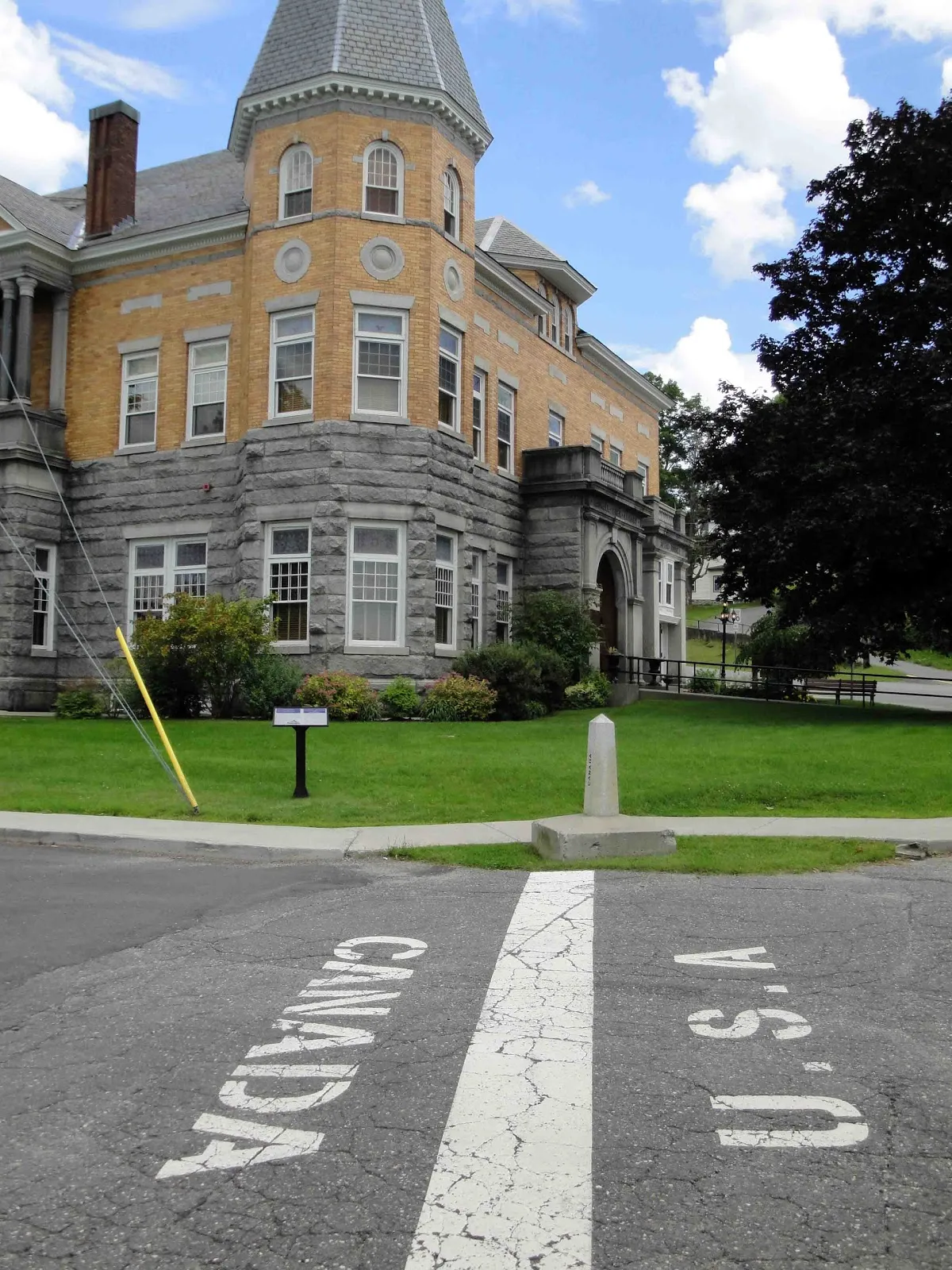 Photo: Derby Line, via 2.bp.blogspot.com
The confusion started with the Treaty of Paris in 1783, which established the U.S.-Canadian border along the 45th parallel. Simple enough in theory, but 19th-century surveying technology wasn't quite up to the task of marking an invisible line through dense wilderness with mathematical precision.
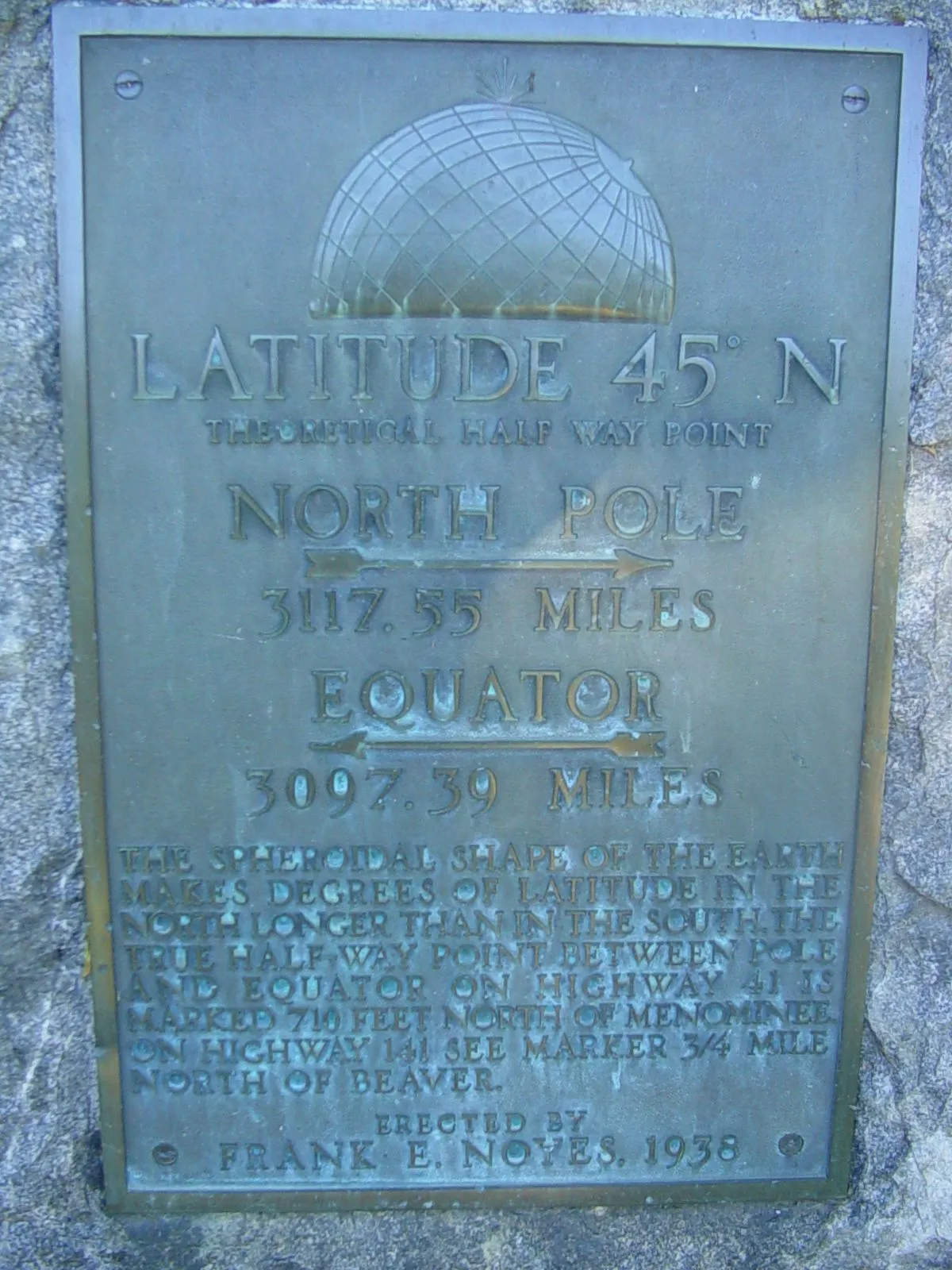 Photo: 45th parallel, via img.atlasobscura.com
The Survey That Started It All
In 1818, British and American surveyors set out to mark the border once and for all. Working with primitive instruments and dealing with harsh weather, the teams made their best guess about where the 45th parallel actually ran. They planted markers, drew maps, and called it good enough.
The problem? Their "good enough" was off by several hundred yards in some places. In the area that would become Derby Line, the error created a bizarre situation: the surveyed border ran right through the middle of what was supposed to be a single community.
When families began settling the area in the 1840s, they built homes and businesses based on the surveyed line, not the actual 45th parallel. Nobody realized the mistake until much later, and by then, the village had grown into a thriving border community with a very confusing legal status.
Two Countries, One Library Card
The most famous victim of the border confusion was the Haskell Opera House and Library, built in 1904. The building's architects, apparently unbothered by international law, constructed it so that the stage sits in Canada while most of the audience seating is in the United States. The library's front door opens in Vermont, but patrons checking out books technically cross into Quebec to reach the stacks.
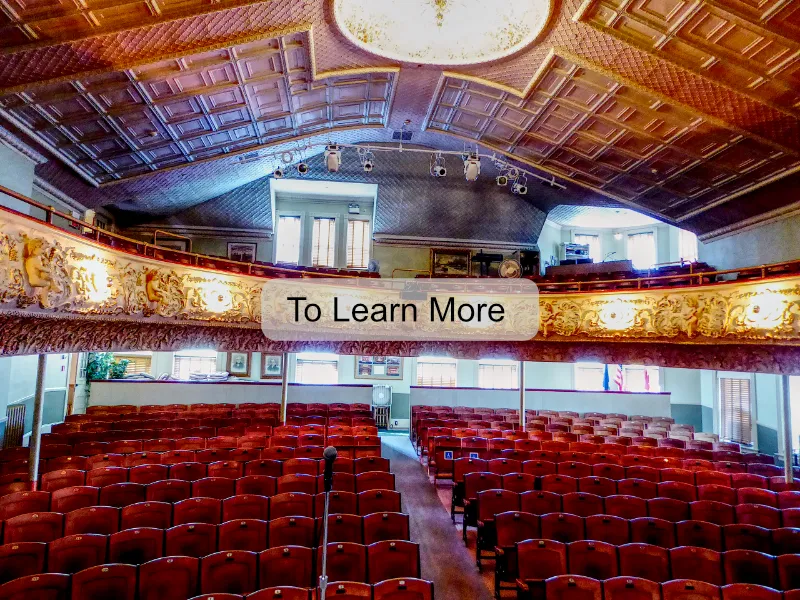 Photo: Haskell Opera House and Library, via www.haskelloperahouse.org
"We always joked that you needed a passport to return a book," recalls longtime librarian Margaret Chen, whose family managed the library for three generations. "Technically, every library patron was an international traveler."
The opera house created even stranger situations during performances. Actors would literally cross international borders during scene changes, and audience members in the front rows were technically watching Canadian entertainment while sitting on American soil.
The Tax Collector's Nightmare
For residents, the border confusion created daily headaches that ranged from amusing to infuriating. Some homes had foundations in one country and front doors in another. The Henderson family farmhouse, built in 1887, had bedrooms in Canada and a kitchen in Vermont — making breakfast an international affair.
Tax collection became a diplomatic challenge. Both countries claimed the right to tax properties, leading to situations where residents paid property taxes to two governments for the same house. The postal service gave up trying to figure out which country should deliver mail, so both American and Canadian postal workers serviced the same addresses.
"My grandfather got drafted by both countries during World War I," says current resident Tom Bradley, whose family has lived in Derby Line for four generations. "He had to choose which army to join. He picked the Americans because the recruitment office was closer to his front door."
Border Guards Who Gave Up
Official border enforcement in Derby Line was practically impossible. The actual crossing point meandered through backyards, basements, and living rooms. Border patrol agents from both countries eventually established an informal agreement: they'd focus on the main roads and pretend the residential area didn't exist.
During Prohibition, this arrangement created opportunities that local residents were happy to exploit. Bootleggers could literally step from a legal bar in Canada into their American living room, making Derby Line a popular destination for thirsty Americans seeking Canadian whiskey.
"The border agents knew what was happening," Bradley explains. "But what were they supposed to do? Arrest someone for walking into their own kitchen?"
Modern Solutions to Ancient Problems
The situation remained largely unchanged until the 1960s, when both governments finally acknowledged that the original survey was wrong. A joint commission spent five years re-surveying the border using modern GPS technology, discovering that the actual 45th parallel ran nearly a quarter-mile south of where the 1818 surveyors had marked it.
Rather than relocate an entire community, both countries agreed to honor the surveyed border as the official boundary. This solved most legal problems but created new ones: several buildings that had been entirely in Canada were now officially in the United States, and vice versa.
The Haskell Library solved its international status by becoming a joint facility operated by both countries — probably the world's only library that requires international cooperation to check out a book.
Security Theater Meets Small-Town Reality
After 9/11, increased border security created new challenges for Derby Line residents. Homeland Security insisted on proper documentation for all border crossings, even if that crossing involved walking from your bedroom to your bathroom.
The solution was typically Canadian in its politeness: both countries agreed to exempt longtime residents from documentation requirements when moving around their own properties. Visitors, however, still need passports to attend performances at the opera house.
The Border That Couldn't Make Up Its Mind
Today, Derby Line remains a testament to what happens when bureaucracy meets geography and nobody wants to admit they made a mistake. The community has adapted to its unique status with characteristic New England practicality: they ignore the absurdity and get on with their lives.
The border still runs through the middle of town, but now it's marked with a simple black line painted on the street. Residents step over it dozens of times per day, making them probably the most well-traveled people in North America without ever leaving their neighborhood.
"People ask if it's strange living on an international border," says current mayor Linda Walsh. "But after 200 years, we've gotten used to it. Besides, where else can you say you've been to Canada and back just by taking out the trash?"