Peace by Accident: How Two Nations Spent 335 Years Technically at War Without Anyone Noticing
Somewhere in the long, strange archive of human history, there is a war that lasted longer than the Roman Empire's peak, longer than the United States has existed as a country, and longer than most family grudges manage to survive. It claimed zero lives. It destroyed zero property. And for most of its duration, absolutely nobody remembered it was happening.
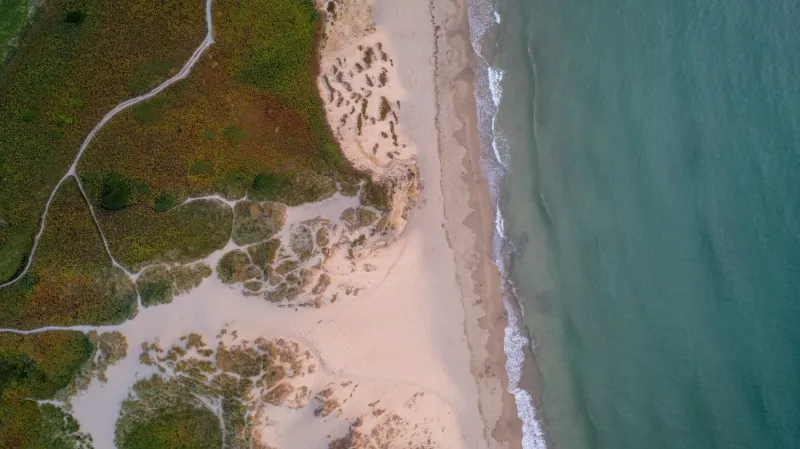
The combatants? The Netherlands and the Isles of Scilly — a windswept archipelago of about 140 small islands sitting roughly 28 miles off the southwestern tip of England, home to a few thousand people, a lot of seabirds, and, apparently, one of the most durable international conflicts ever technically declared.
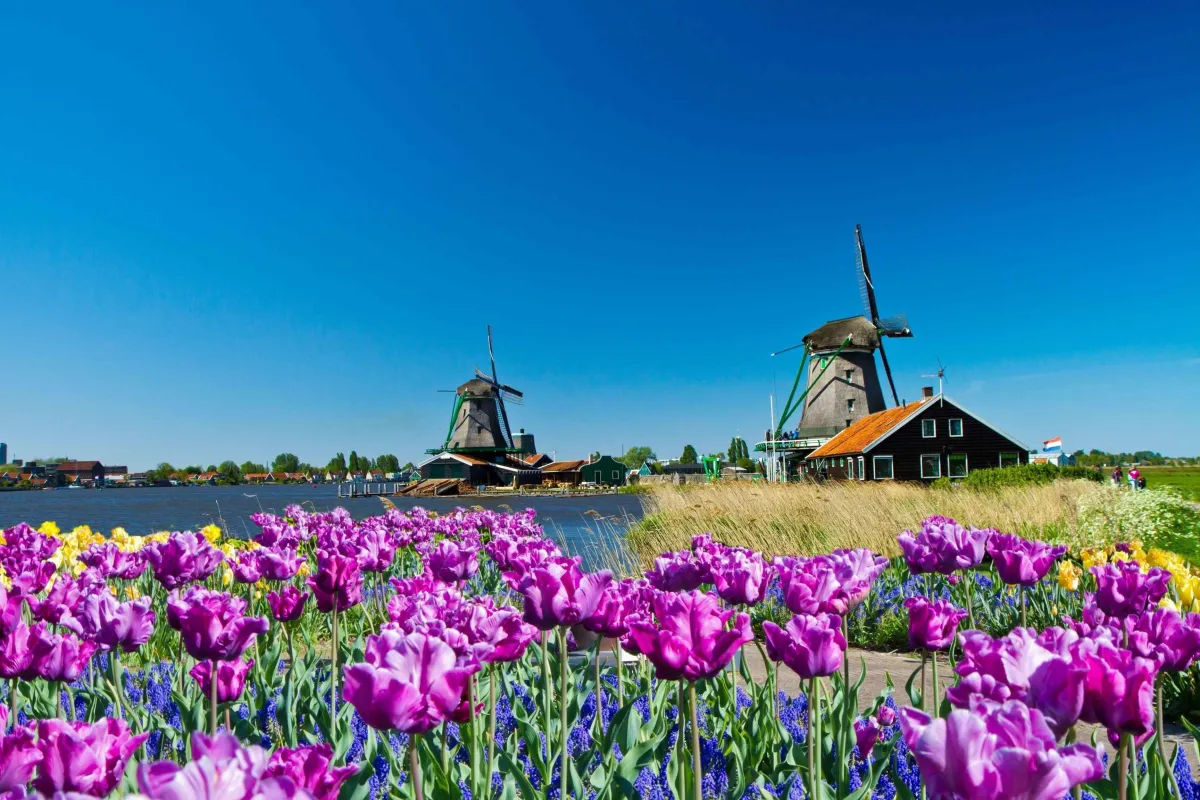 Photo: The Netherlands, via wallpaperaccess.com
How You Start a War and Immediately Forget About It
To understand how this happened, you have to go back to 1651, when Europe was in the middle of one of its periodic fits of political chaos. England had just executed King Charles I, and the English Civil War had scattered Royalist forces to the winds — some of them landing on the Isles of Scilly, where they continued harassing ships under the flag of the new Parliamentary government.
The Dutch, who had backed Parliament during the war and had significant shipping interests in the region, were not thrilled about this. Their admiral, Maarten Harpertszoon Tromp, sailed to Scilly and demanded reparations for the losses Dutch merchants had suffered at Royalist hands. When the Royalists essentially said "good luck with that," Tromp declared war on the islands.
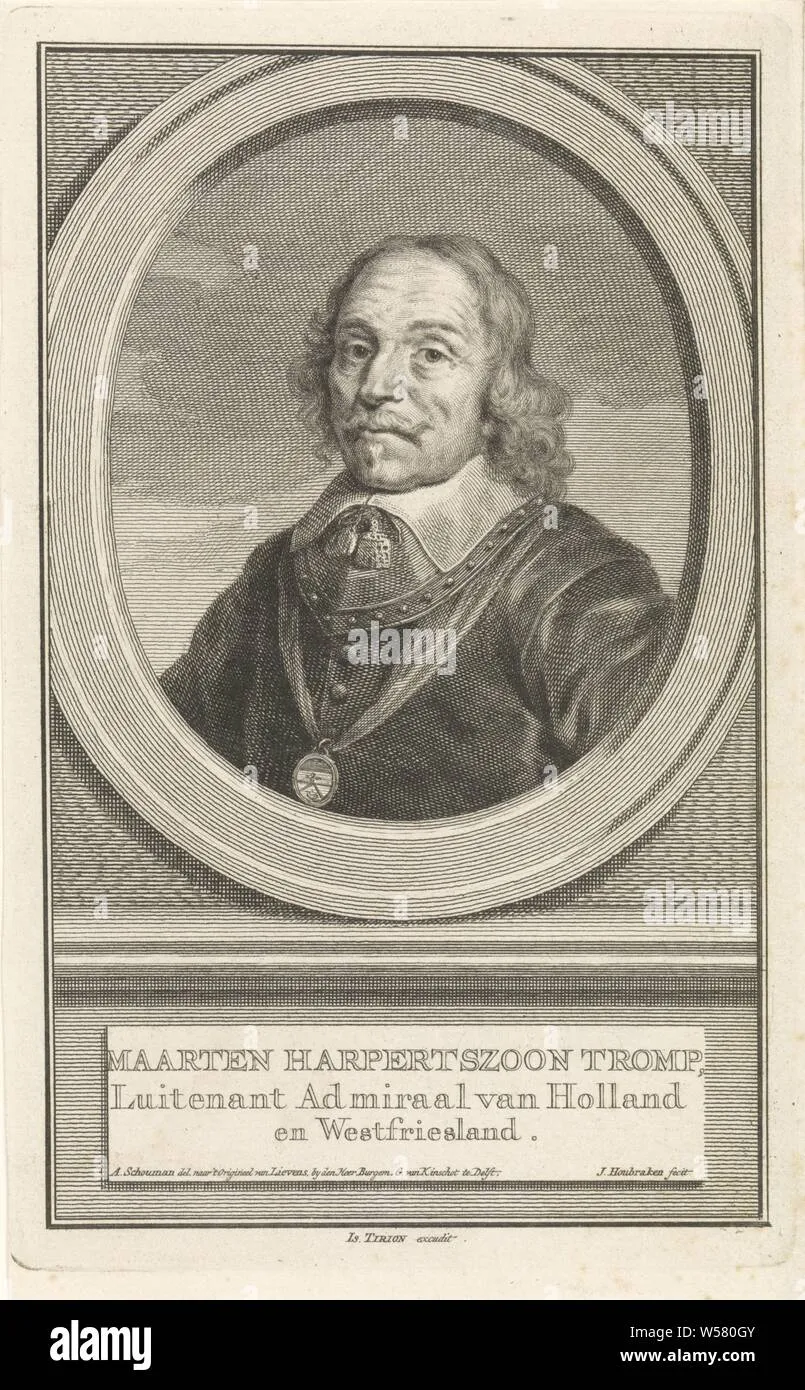 Photo: Maarten Harpertszoon Tromp, via c8.alamy.com
Then, before a single cannonball was fired, the Royalists surrendered to Parliamentary forces. The threat evaporated. Tromp sailed home. And in the rush of larger events — a whole English Civil War to wrap up, a continent to navigate — nobody ever got around to signing a formal peace treaty with the Isles of Scilly.
The war just... sat there. Quietly. For three and a half centuries.
The Historian Who Blew the Lid Off Nothing
Fast forward to 1985. A Dutch historian named Jan Oudendijk was doing what historians do — digging through old records, following paper trails, drinking too much coffee — when he stumbled across the original 1651 declaration. He did the math. He checked the archives. There was no peace treaty anywhere to be found.
The Netherlands and the Isles of Scilly were, by every technical measure, still at war.
Oudendijk reportedly found this less alarming than hilarious, which seems like exactly the right response. He contacted the Dutch embassy, which contacted the relevant authorities, and word eventually reached Roy Duncan, then the chairman of the Isles of Scilly Council. Duncan's reaction, by most accounts, was also amusement — though he did note that it must have been terrifying for the islanders to have lived under the threat of Dutch naval aggression for so long without knowing it.
On April 17, 1986, Dutch Ambassador Rein Huydecoper made the trip to the Isles of Scilly and signed a formal peace treaty, ending the war. He reportedly joked that it must have been a great relief for the islanders to finally sleep soundly. The whole ceremony was warm, friendly, and deeply absurd in the best possible way.
What This Says About the Paper Reality of War
Here's the part that genuinely messes with your head: by strict legal and diplomatic definitions, the war was real. International conflict doesn't require soldiers or casualties to exist — it exists in declarations, treaties, and the formal relationships between sovereign entities. The Dutch declaration of 1651 was a legitimate act of state. The absence of a peace treaty meant the state of war was never formally dissolved.
In that sense, every Dutch citizen who lived and died between 1651 and 1986 was technically a citizen of a nation at war with a small group of English islands they'd probably never heard of. The islanders themselves — farmers, fishermen, tourists eventually — were enemy nationals under Dutch law, at least on paper.
Nobody acted on it. Nobody cared. But it was real in the way that bureaucratic reality is always real: dormant, waiting, and capable of being discovered by the wrong historian at the wrong moment.
The World's Most Relaxed International Crisis
What makes the Scilly War — if you can even call it that — genuinely remarkable isn't the length. It's the complete absence of hostility. Most wars, even long ones, leave behind bitterness, territorial disputes, generational trauma. This one left behind a charming historical footnote and a pretty good diplomatic anecdote.
The 1986 peace signing became a minor media event. Journalists showed up. Locals celebrated. The Dutch ambassador was treated warmly. Someone probably had tea.
It's worth sitting with the absurdity of that for a moment. Two entities were at war for 335 years. They resolved it with a handshake, a signature, and what was by all reports a genuinely pleasant afternoon on a small English island.
If diplomacy always worked this way, the world would be a significantly calmer place. Of course, it helps when nobody's actually fighting. But still.
The Isles of Scilly today are a popular tourist destination known for their mild climate, flower farms, and spectacular coastal scenery. They are not known for their military history. Which is, when you think about it, exactly right — because the most remarkable military history they ever had involved absolutely no military activity whatsoever.
Somewhere, Admiral Tromp is presumably at peace too.