The Weekend Was a Mistake: How Henry Ford's Bigotry Accidentally Gave American Workers Two Days Off
The Weekend Was a Mistake: How Henry Ford's Bigotry Accidentally Gave American Workers Two Days Off
Every Friday afternoon, when you close your laptop and feel that particular loosening of tension that signals the start of two days of freedom, you are the unintentional beneficiary of one of American history's most uncomfortable accidents. The two-day weekend — Saturday and Sunday, untouchable, sacred, the backbone of American leisure culture — exists in part because Henry Ford was trying to hurt his competitors. And the way he chose to hurt them says something deeply unpleasant about one of the most celebrated industrialists in American history.
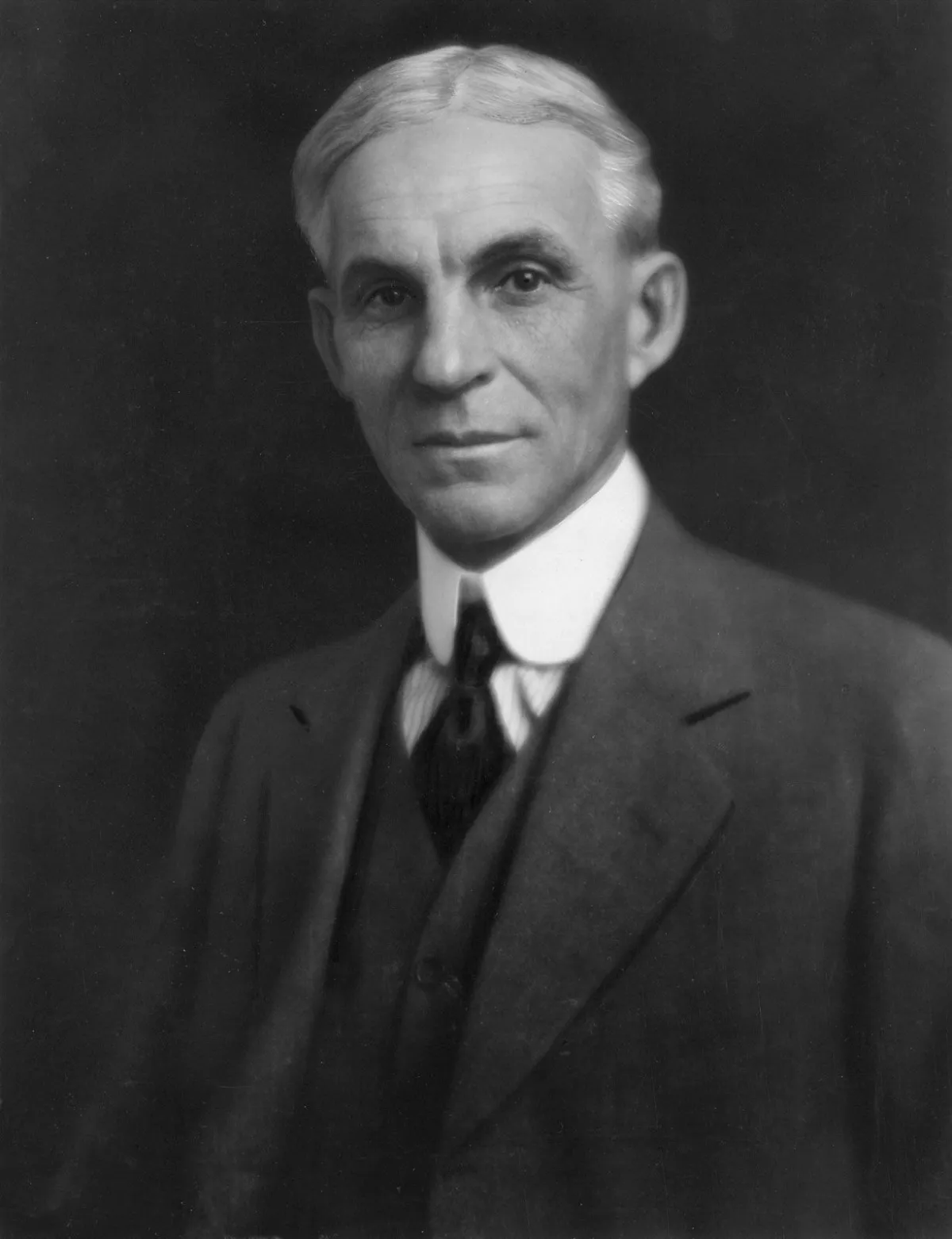 Photo: Henry Ford, via cdn.britannica.com
This is not the story you learned in school. But it's the real one.
The Version You Were Probably Told
The standard narrative goes something like this: Henry Ford, visionary and progressive employer, announced in 1926 that his Ford Motor Company plants would operate on a five-day, 40-hour work week. Workers would have Saturdays and Sundays off. The move was framed as enlightened industrial policy — Ford himself argued that workers needed leisure time to spend money, and that a rested workforce was a productive one.
This part is true. Ford did make that argument, and there's genuine economic logic in it. But it's not the whole story, and the part that gets left out changes the picture considerably.
What Was Actually Going On in 1926
To understand Ford's real motivations, you have to understand the competitive landscape of American manufacturing in the 1920s. Many Jewish-owned businesses — including some manufacturers and a significant portion of the retail sector — closed on Saturdays in observance of the Jewish Sabbath, which runs from Friday sundown to Saturday sundown. This was a straightforward religious practice, but Ford, who was virulently and openly antisemitic, saw it as an economic vulnerability he could exploit.
Ford's antisemitism was not a quiet personal prejudice. He was its loudest public champion in America during the 1920s. He owned and bankrolled the Dearborn Independent, a newspaper that ran a 91-week series of antisemitic articles beginning in 1920. He personally funded the American publication of the Protocols of the Elders of Zion, a notorious antisemitic forgery. Adolf Hitler kept a portrait of Ford in his office and cited him admiringly in Mein Kampf. Ford was not a man with complicated private views — he was a committed, vocal antisemite who used his wealth and platform to spread those views as widely as possible.
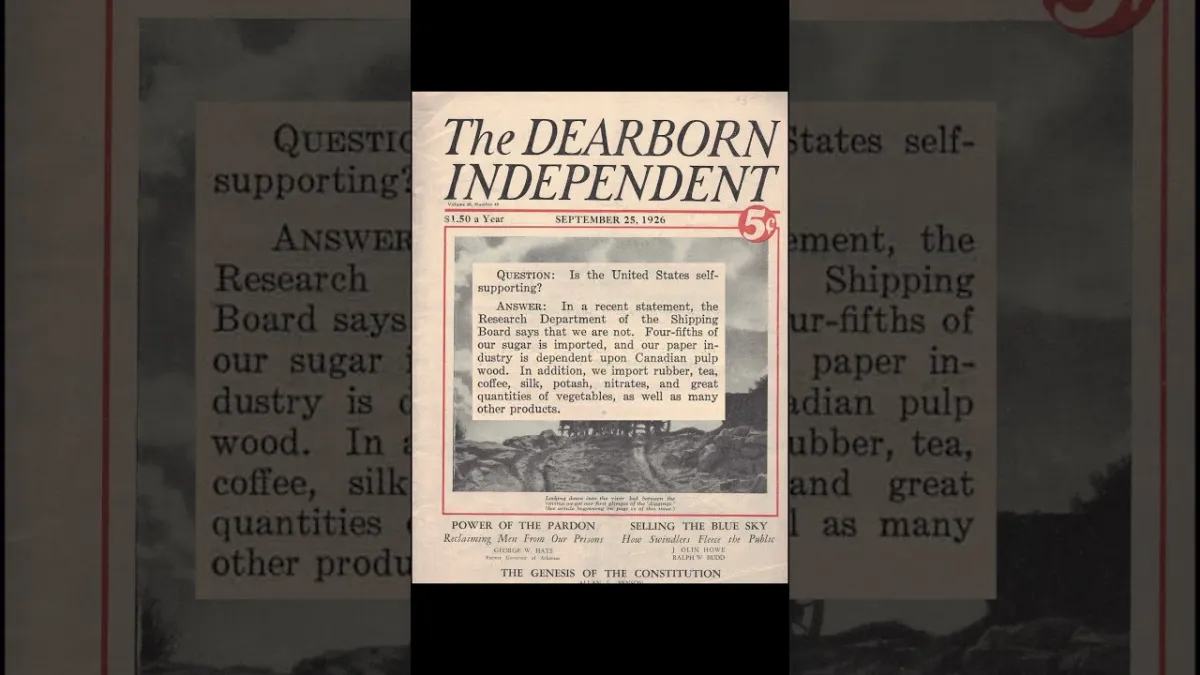 Photo: Dearborn Independent, via i.ytimg.com
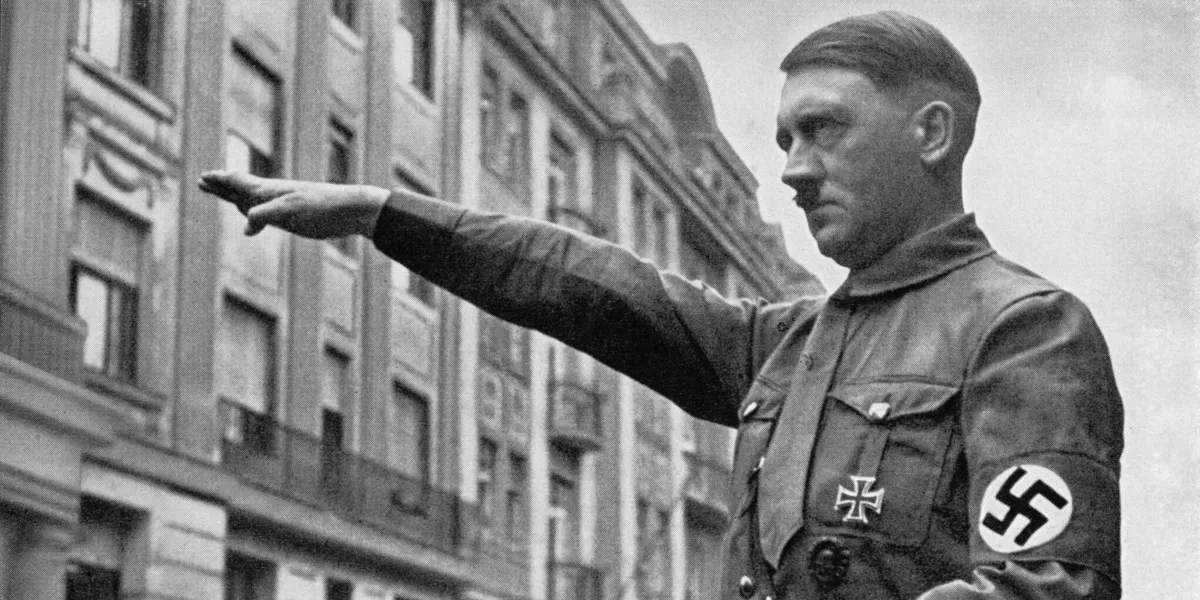 Photo: Adolf Hitler, via res.cloudinary.com
Against that backdrop, his decision to close on Saturdays takes on a different character. By shutting his factories on the Jewish Sabbath, Ford accomplished two things simultaneously: he could claim the moral high ground of worker-friendly policy, and he could ensure that his factories were operational on days when Jewish-owned competitors might be closed. It was economic warfare dressed up as generosity.
The Accident at the Center of Everything
Here's where history gets genuinely strange. Ford's move — whatever its motivations — worked. It worked so well, and spread so quickly through American industry, that it eventually became the legal and cultural standard for the entire country. The Fair Labor Standards Act of 1938 codified the 40-hour work week into federal law. The two-day weekend became an institution.
And in achieving that, Ford accidentally gave American workers something he almost certainly didn't intend to give them: genuine, lasting, legally protected rest. The Jewish workers in his factories got Saturdays off. The Catholic workers got Sundays. Everyone got two days, which was more than most American workers had ever had.
The irony is almost too neat. A man who despised a religious minority used their Sabbath practices as a pretext for a policy that ultimately benefited every working American, including the people he was trying to disadvantage. The weapon he built to harm a competitor became a gift to the workforce he was deploying it against.
Ford's Legacy Is Complicated. That's Putting It Gently.
It would be convenient if this story had a clean moral. It doesn't. Ford's contributions to American manufacturing — the assembly line, the $5 workday, the democratization of the automobile — are real and significant. So is his antisemitism, which was not a footnote but a defining feature of his public life and a genuine influence on the ideology that produced the Holocaust.
Historians have wrestled with how to hold those two things together, and there's no comfortable resolution. What we can say is that the weekend, as an institution, is a product of forces that include labor activism, religious tradition, economic calculation, and — uncomfortably — one man's attempt to use bigotry as a business strategy.
The labor movement deserves enormous credit for the weekend. Workers who organized, struck, and fought for better conditions over decades created the pressure that made policies like Ford's politically viable. The weekend didn't spring from Ford's generosity alone — it was dragged into existence by people who demanded it.
But Ford's 1926 announcement was a turning point, and the reasoning behind it is exactly as ugly as it sounds.
Enjoy Your Saturday
None of this means you shouldn't enjoy your weekend. You should — it was hard-won, and the people who fought for it deserve to have it celebrated. But the next time someone frames the two-day weekend as a simple story of American industrial benevolence, it's worth remembering that the actual history is messier, stranger, and considerably more uncomfortable.
The weekend is real. The story behind it is genuinely weird. And Henry Ford, whatever else he was, remains one of history's most complicated accidents.