America's Anthem Started as Barroom Karaoke: The Boozy British Drinking Song That Became Our Most Sacred Melody
The Melody That Started in a Tavern
Every time Americans stand for the national anthem, they're unknowingly honoring a boozy British drinking song that was considered nearly impossible to sing sober. The Star-Spangled Banner, that soaring testament to American resilience and freedom, owes its melody to "To Anacreon in Heaven"—a tune composed for rowdy London gentlemen's club members who used it to test whether their fellow drinkers were too intoxicated to continue the evening's festivities.
The story of how a British barroom challenge became America's most revered song is a tale of accidental patriotism, bureaucratic delays, and one of the most impractical vocal ranges in musical history.
The Anacreontic Society's Party Trick
In 1760s London, the Anacreontic Society met regularly at the Crown and Anchor Tavern in the Strand. Named after Anacreon, the ancient Greek poet known for his verses celebrating wine and revelry, the club was dedicated to music, poetry, and enthusiastic drinking. Members needed a way to separate the merely tipsy from the completely soused, so they created the perfect sobriety test: a song with such a challenging vocal range that only sober men could successfully perform it.
 Photo: Crown and Anchor Tavern, via people.com
"To Anacreon in Heaven" was composed by John Stafford Smith, a British musician who probably never imagined his tavern tune would one day be belted out at baseball games across America. The song's notorious difficulty wasn't a bug—it was a feature. The melody spans an octave and a half, with dramatic leaps that require precise vocal control. If you could sing it without embarrassing yourself, you were sober enough to keep drinking.
The song became so popular in British social circles that it was published and performed throughout England. Its reputation as a vocal challenge made it a favorite party piece, though few could master its demanding range.
Francis Scott Key's Accidental Masterpiece
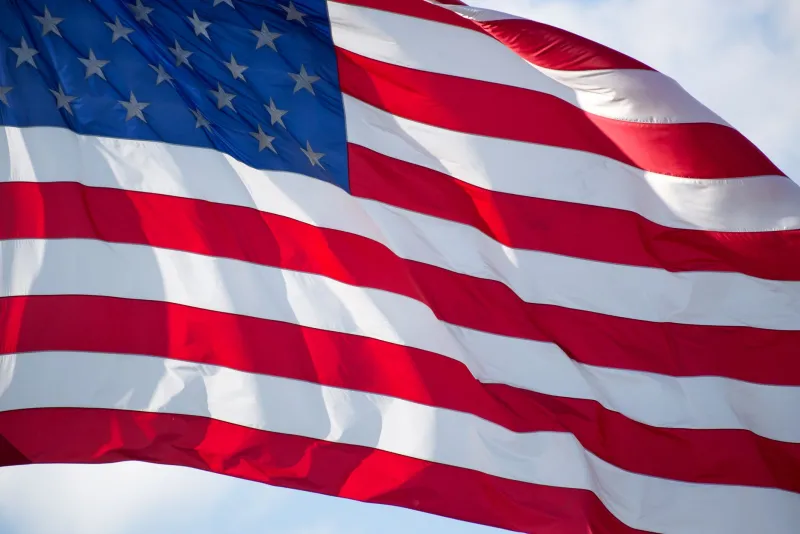
On September 14, 1814, Francis Scott Key found himself aboard a British ship in Baltimore Harbor, having negotiated the release of an American prisoner. As dawn broke, he witnessed the American flag still flying over Fort McHenry after a night of bombardment during the War of 1812. Inspired by this symbol of American resilience, Key penned a poem he called "Defence of Fort McHenry."
 Photo: Francis Scott Key, via image.api.playstation.com
 Photo: Fort McHenry, via www.reizen-en-reistips.nl
Key wasn't a composer, but he was familiar with popular songs of the day. When it came time to set his patriotic verses to music, he chose the melody of "To Anacreon in Heaven"—perhaps because its soaring, triumphant quality matched the emotional crescendo of his poem, or perhaps simply because it was a tune everyone knew.
The irony was perfect: America's most patriotic song was set to a British drinking melody, and nobody seemed to mind. Key's poem, renamed "The Star-Spangled Banner," spread rapidly throughout the country, carried by the familiar tune that made it easy for Americans to sing along.
A Century of Musical Limbo
Here's where the story gets truly bizarre: despite becoming wildly popular as an unofficial patriotic song, "The Star-Spangled Banner" wasn't actually America's national anthem for over a century. The United States simply didn't have an official national anthem, relying instead on a rotating cast of patriotic songs including "Hail Columbia," "America the Beautiful," and "My Country, 'Tis of Thee."
The military adopted "The Star-Spangled Banner" for official ceremonies in 1916, but civilian America remained musically uncommitted. Congressional debates over the national anthem stretched for decades, with lawmakers arguing over everything from the song's British origins to its impossibly difficult vocal range.
The Great Anthem Debate
By the 1920s, pressure was mounting for Congress to finally choose an official national anthem. The leading candidates each had devoted followings and significant drawbacks. "The Star-Spangled Banner" was popular but nearly unsingable for average Americans. "America the Beautiful" had lovely lyrics but lacked the dramatic musical impact of Key's song. "My Country, 'Tis of Thee" was easy to sing but used the same melody as "God Save the Queen," creating obvious diplomatic awkwardness.
Congressional hearings on the national anthem featured some of the most absurd testimony in legislative history. Musicians demonstrated the vocal challenges of each candidate song, sometimes with embarrassing results. Patriotic organizations lobbied intensely for their preferred choices, while music teachers argued that any song requiring professional-level vocal training was unsuitable for a national anthem.
The most persistent criticism of "The Star-Spangled Banner" centered on its vocal range. The song spans 19 semitones, making it one of the most challenging national anthems in the world. Critics pointed out that most Americans couldn't sing it without either straining their voices or dropping into embarrassing vocal ranges.
Victory by Persistence
Despite its obvious flaws, "The Star-Spangled Banner" had one crucial advantage: momentum. It had been the de facto national anthem for over a century, performed at countless patriotic events and military ceremonies. Americans might not be able to sing it well, but they recognized it instantly.
On March 3, 1931, President Herbert Hoover signed a congressional resolution officially designating "The Star-Spangled Banner" as the national anthem of the United States. The vote wasn't even close—the House passed it 259 to 23, and the Senate approved it without a recorded vote. After 117 years of unofficial status, Key's poem set to a British drinking song finally became America's official musical identity.
The Unsingable Anthem's Revenge
The decision to adopt such a vocally challenging national anthem has created decades of memorable performances, both triumphant and catastrophic. Professional singers approach it with reverence and terror, knowing that a single wrong note will be heard by millions. Amateur performers regularly crash and burn on the song's notorious high notes, creating viral moments that outlive their careers.
The irony persists: America's national anthem, meant to inspire unity and patriotic feeling, is so difficult that most Americans can't sing it properly. We've essentially chosen a sobriety test from a London tavern as our most sacred musical expression.
From Tavern to Temple
Today, "The Star-Spangled Banner" occupies a unique place in American culture. It's simultaneously beloved and dreaded, revered and ridiculed. Its British origins are largely forgotten, overshadowed by the powerful symbolism of Key's lyrics and the song's role in American ceremonies.
The transformation of a drinking song into a national anthem reflects something essentially American: the ability to take something from somewhere else and make it completely our own. We borrowed a British melody, added American words, ignored the practical problems, and created a tradition that defines us.
Every time Americans struggle through those impossible high notes, we're participating in a musical tradition that began in a London tavern over 250 years ago. The Star-Spangled Banner may be difficult to sing, but its journey from barroom entertainment to national symbol proves that in America, even the most unlikely songs can find their way to glory.